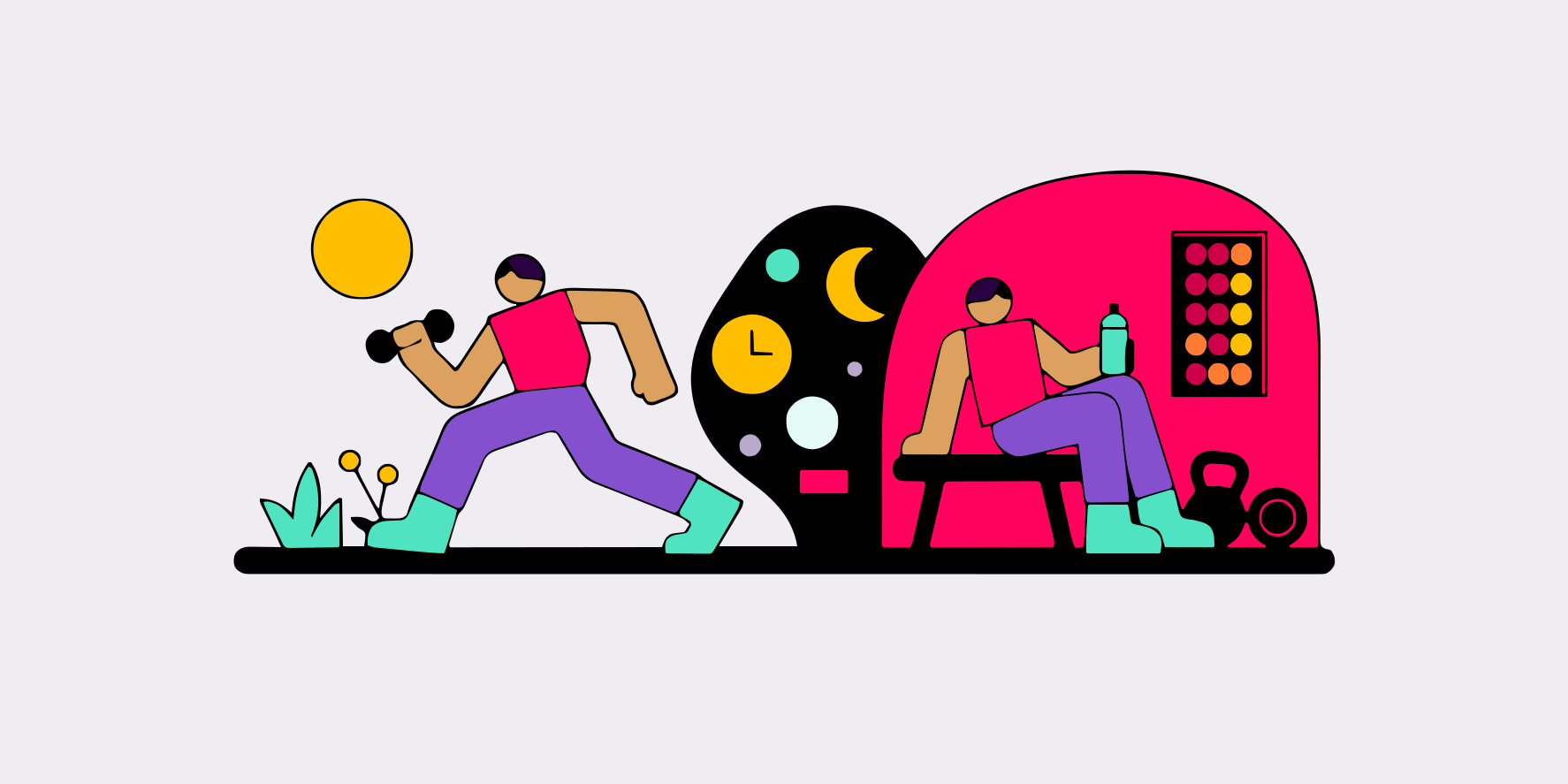
Timing Your Light — Why Circadian Health Is the Next Recovery Frontier
Inspire360 Global Fitness Newsletter, November Edition, Issue 45
The clocks have fallen back across much of the Northern Hemisphere, and your members are feeling it: darker mornings, earlier sunsets, and a few groggy weeks while everyone’s bodies catch up.
The recovery conversation often skips this crucial adjustment period. While we do talk a lot about sleep (think: sleep trackers, sleep scores, magnesium before bed), we talk far less about the thing that sets the timing of sleep in the first place: light.
It’s not just whether your members get light, but when they get it, how bright it is and even what color it is. All three affect how well they sleep, how energized they feel and how well they recover. And the best part for clubs? Most of the fixes are free.
The Clock Behind the Clock
Every one of us runs on a roughly 24-hour internal clock, and according to the National Institutes of Health, light and dark have the biggest influence on how that clock runs.
The brain's master clock reads the light coming in through our eyes, and uses it to time the release of melatonin. The light is quite literally the timekeeper.
And as you may have guessed, modern life with all of its screen time has drastically muddied that signal. We spend most of our days indoors, then our evenings under bright overheads and glowing screens.
What happens when you take the screens and indoor lighting away? In a now-classic University of Colorado Boulder study, volunteers who camped for a week without electric light saw their internal clocks shift: melatonin onset moved nearly two hours earlier, lining up with sunset.
Bright Days, Dark Nights
The science on timing is some of the most well-established in sleep research, and it comes down to two simple rules:
Get bright light early. This one does double duty: sets the daily clock and helps later on in the evening. Research suggests a dim day makes your internal clock more sensitive to light at night. Daytime light, especially outdoors, helps anchor the sleep-wake cycle. Harvard Health's advice is simple: “expose yourself to lots of bright light during the day” for better sleep at night, plus better mood and alertness by day. An international expert panel went a step further in PLOS Biology, recommending a minimum daytime light level, using daylight whenever possible.
Dim things down at night. That same panel recommends keeping light very low for at least three hours before bedtime. A study in the Journal of Clinical Endocrinology & Metabolism found that ordinary room light before bed shortened melatonin duration by about 90 minutes compared with dim light.
The light’s color plays a part, too.
In a Harvard experiment, blue light suppressed the release of melatonin for about twice as long as green light of similar brightness — and shifted circadian rhythms twice as far. That's why dim, warm, or red light is the gentlest option after dark (emphasis on dim).
Brightness matters as much as color, and a bright red bulb is still bright light.
What this means for your members: get outside in the morning (an outdoor workout counts!), then turn down the overheads and screens in the evening. Scheduling some sunrise classes could be critical for this adjustment period.
Light Gadgets: What the Science Says
Two light-related products come up constantly with members. One ties directly to light timing; the other is a different use of light altogether. Here’s what the evidence actually says about each.
Blue-blocking glasses. The research here is mixed. A 2023 Cochrane review found that of six trials measuring sleep, three reported better sleep and three found no difference (and stated that evidence had very low certainty). They may help some people, but the evidence for simply dimming the lights is much stronger. In one study, ordinary evening home lighting was enough to cut melatonin in half for the average person.
Red light therapy. The early research is compelling, particularly for muscle recovery. A 2023 systematic review of 15 trials found that photobiomodulation (the clinical term) showed good results in post-exercise muscle recovery. Some minor caveats before making major claims: the studies were small, used widely varying devices and doses, and were too different to pool.
As University Hospitals puts it, “the results look promising, but more research is needed.” This is genuinely an emerging amenity with real potential — just make sure to market it honestly.
What This Means for Your Club
The good news: most of these changes cost little to nothing — and are easy to implement.
- AM: Move morning classes outside. If you have a parking lot, a patio, or a nearby park, a sunrise boot camp gives members their workout and their daylight in one session.
- AM: Open the blinds. If your floor has windows, let the daylight in during morning and midday hours.
- PM: Dim the evening studio. For late-evening yoga, stretching, and mobility classes, switch to lower, warmer lighting. Keep the weight floor bright enough to lift safely; the dimming belongs in the slower, wind-down formats.
- PM: Rethink the recovery room. Swap harsh overheads for low, warm, or red-toned lamps in your stretching and recovery spaces, so the last stop of a member's night supports their sleep.
- ALL DAY: Consider red light therapy, and sell it straight. Clubs like Amped Fitness already offer red-light therapy as part of their recovery amenities. Position it as a recovery add-on with promising early research behind it, and skip the cure-all claims.
- ALL DAY: Teach it. A quick “light hygiene” card at the front desk or a post in your member app (morning light, dim evenings, screens down) costs nothing and positions your staff as the experts. Consider incorporating this messaging into your coaching programming.
Recovery has been all about what members do after the workout: foam rolling, cold plunges, compression boots. Light timing adds a new layer, and it's one of the few recovery tools that (literally) works around the clock, and can have a massive impact on virtually every facet of your members’ lives.
—-------------------------------------
Inspire360 Club Bulletin
Have you checked out Inspire360 Club? It's a game-changing platform built to redefine health club education and unite the industry for the first time under one comprehensive, modern learning ecosystem. #GameChanged. Book a demo of Inspire360 Club at: www.inspire360.com/club
What's New This Month:
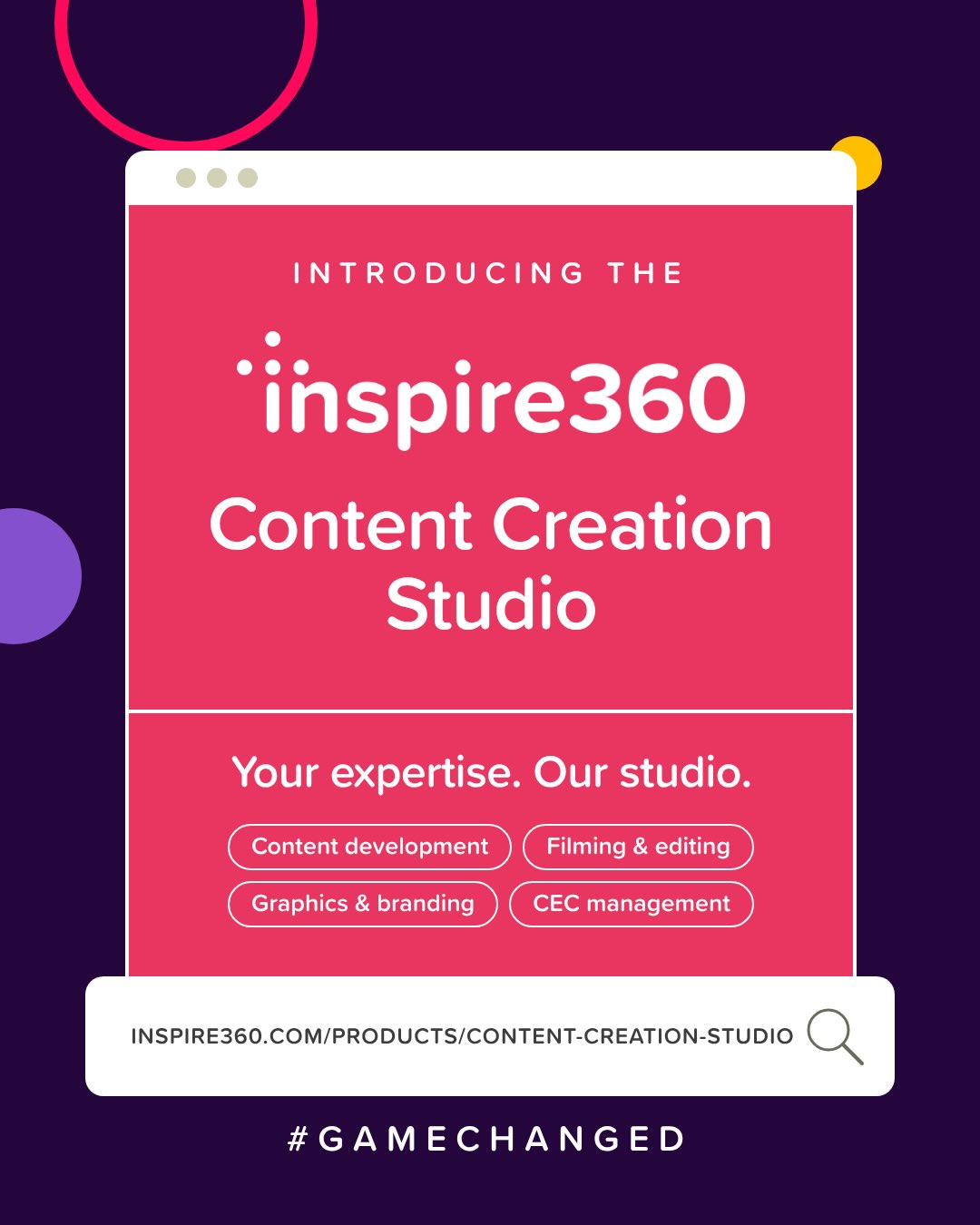
We’ve officially launched the Inspire360 Content Creation Studio, which brings curriculum development, professional filming and post-production, and CEC/CEU accreditation together in one place. Education companies, equipment brands, and health clubs can bring their own experts or use ours to build certifications, product education, and branded staff training. Health clubs can then deliver and track it all through Inspire360. Learn more about the Inspire360 Content Creation Studio here.
—-------------------------------------
Black Friday Exclusive: 40% Off CFSC Level 1 Online
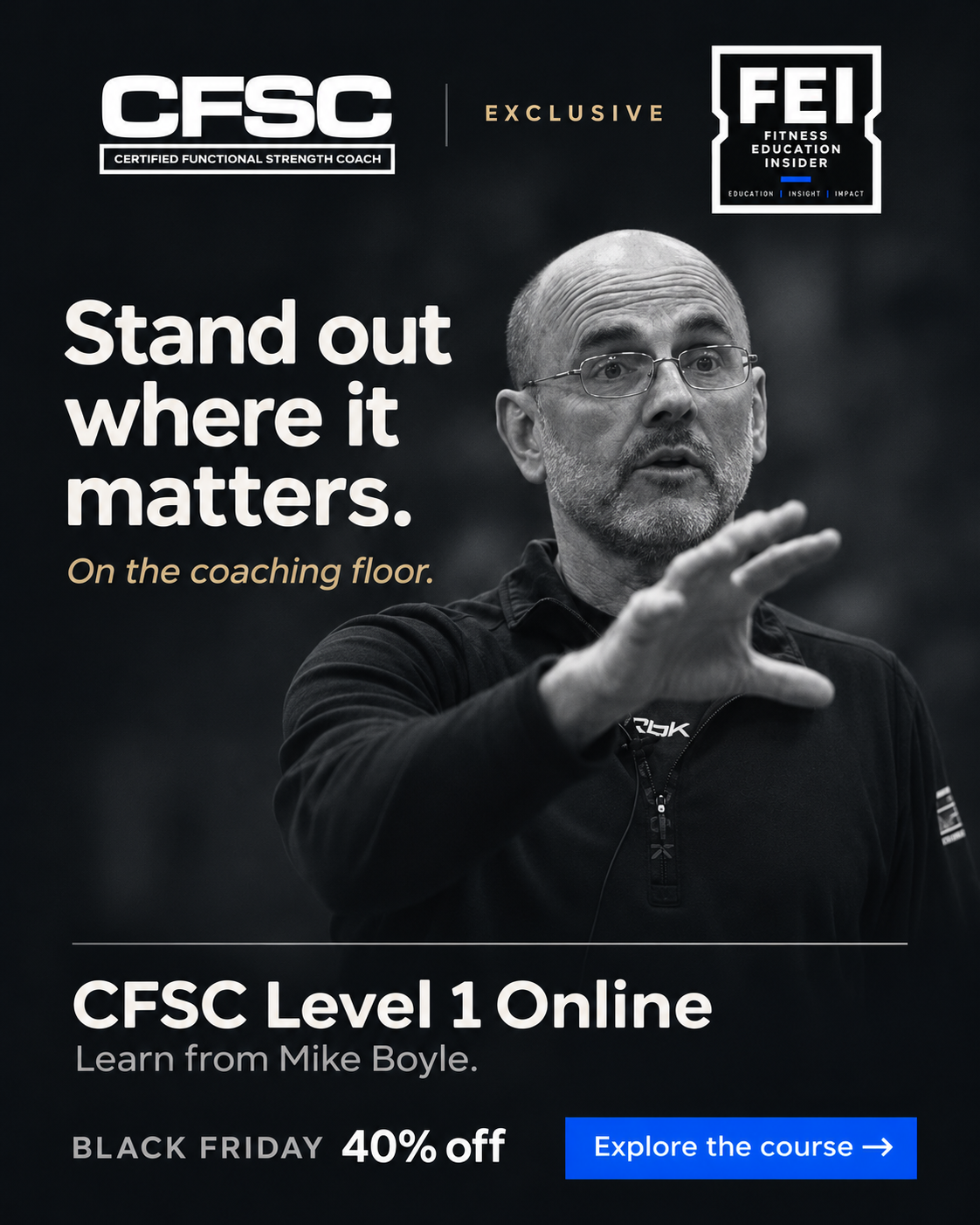
For the first time ever, Mike Boyle Strength & Conditioning is offering a Black Friday deal on CFSC Level 1 Online: $449.99, normally $749.99, with code CFSC40 at checkout. The online version of the Certified Functional Strength Coach course has 19 self-paced modules covering program design, group coaching and cueing, and strength training. Get certified for $449.99 →
—-------------------------------------
Industry Happenings:
Upcoming Events:
- AB Show 2026, November 17-19, 2026, Orlando, Florida
- ICAA Conference and Expo, November 17-19, 2026, Orlando, Florida
- The Fit Expo, January 23-24, 2027, Los Angeles, California
- Connected Health & Fitness Summit, February 23-25, 2027, Los Angeles, California
—-------------------------------------
Upcoming Workshops in November & December:
- 20+ workshops from Merrithew
- 20+ workshops from Peak Pilates
- 19 workshops from TRX®
- 12 workshops from Spinning®
- 8 workshops from Exos
- 5 workshops from ART
- 4 workshops from CFSC
- 2 workshops from Oxygen Advantage
- 2 workshops from Power Plate
- 1 workshop from Gray Institute
—-------------------------------------
Industry News:
- Wearables topped ACSM’s fitness trends again for 2027.
- HFA is expanding into Europe through the Fitness Technology Summit.
- Apple Fitness+ adds progressive strength coaching.
- The LIV Method is opening its largest studio yet as it grows in New York City.
- A new SoulCycle documentary revisits co-founder Ruth Zukerman’s exit.
- Dr Hussain Al-Zubaidi told the HCM Summit that gyms must adapt as GLP-1s reshape weight management.
—-------------------------------------
Thanks for Reading!
This newsletter was brought to you by Kathie Davis, Peter Davis, Ravi Sharma, Dominique Astorino, and the Inspire360 team.
—-------------------------------------
A Note from Peter & Kathie
The industry is changing rapidly, and we are here to help you sift through all the noise and get to the good stuff. Every month, we'll bring you trending topics and the inside scoop that we believe is paramount for fitness professionals to know.
Keep Inspiring,
Peter & Kathie Davis


